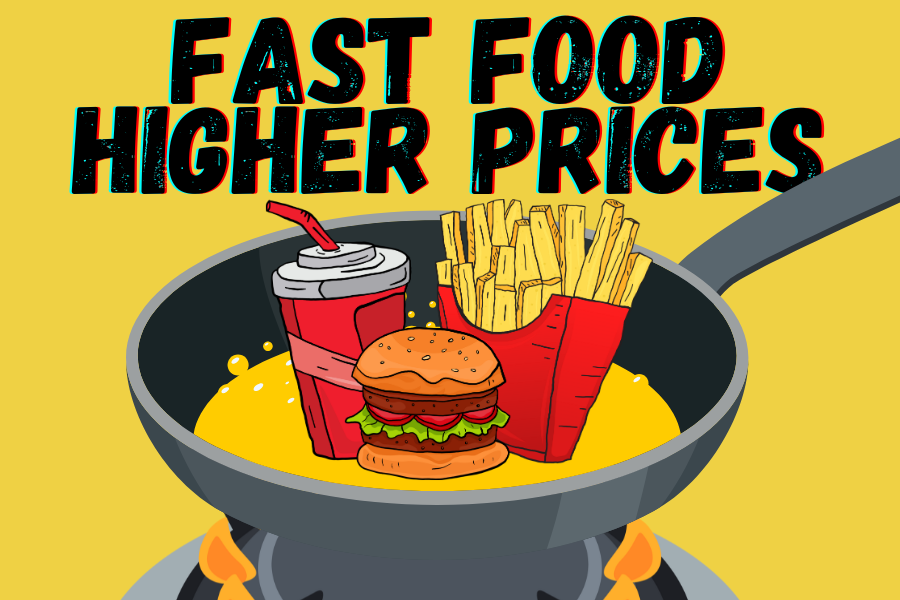
A father of two makes a difficult decision everyday. Working a blue collar job in the midst of rising inflation and equally heinous shrinkflation, he needs to decide how to put food on the table. Too often, these stories end with Americans being forced to pick junk food, draining their wallets and their health.
The average cost of a Big Mac Meal in Austin is $11.03. In it, you will receive a highly processed and out of state sourced meat patty coated in high fructose corn syrup and refined flour, coupled with fries linked to a litany of health diseases. Meanwhile, just down the street from Westwood is Los Reyes Mexican Grill which offers a $10 lunch special of two beef enchiladas, black beans, rice, with complementary chips, salsa, and a legendary bean dip.
The answer isn’t that Los Reyes is doing something special, but rather that McDonald’s and other fast food restaurants are doing everything wrong. The greed of fast food restaurants is unjustified, and low income communities are the ones who are forced to bear the brunt of these irrational price hikes.
In the past five years, fast food prices have risen to absurd heights, the dollar menu has been abolished, and yet consumers have not seen any increase in the quality of food. To add salt to the wound, fast food prices have far outpaced inflation, with reports showing that prices have risen as high as 18% from McDonald’s chains, every month. The final nail in the coffin is that McDonald’s has raised their menu prices by 67% in the past ten years while employee, ingredient, and operating expenses have only increased by 40%.
Many will question what the problem with for-profit corporations raising their prices is. The reason is that, for many consumers, they have no other choice. In many rural and marginalized communities, there are fast food restaurants yet no grocery stores. This means for many families, junk food is the only viable way to ensure nobody goes hungry. When McDonald’s and other fast food restaurants raise their prices, communities can do nothing but grit their teeth and open their wallets.
This phenomenon is extensively studied, and is known as the poverty-obesity paradox, where lower incomes communities can only access fast food, causing them to ingest highly processed and fatty foods that devastate their health. Only now, the problem is worse because these communities are losing money on these meals, because fast food prices have risen to exceed those of sit down restaurants. This means that fast food restaurants are now draining families’ savings, preventing them from buying healthy ingredients or seeking proper medical and weight loss treatment even if they need the help.
In the face of this crisis, the government needs to monitor the rising fast food prices with eagle eyed accuracy. If the government doesn’t want increased costs on healthcare and a medical crisis in a few years, they should subsidize local restaurants to help communities operate diners and businesses that can offer quality food and ingredients to even the lowest income communities, to create a healthier environment for all.
At the end of the day, fast food prices are neither economically justified, nor socially moral. The only way we can combat this epidemic of price gouging and obesity, is to rally behind local restaurants and work together to start grocery stores. The solution’s journey is not going to be fast, but the result will certainly be finger licking good.